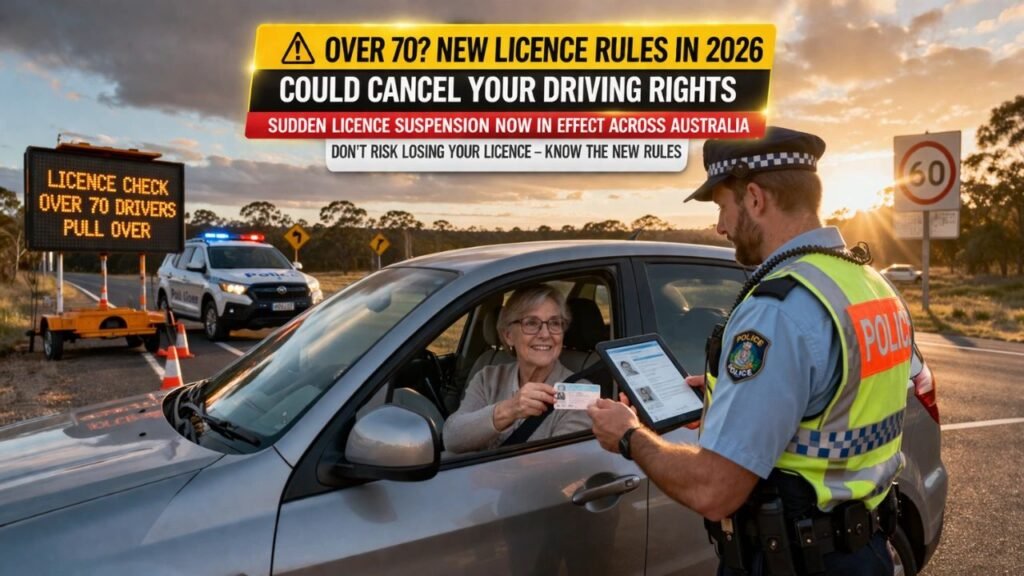
For many Australians over the age of 70, driving represents far more than mobility—it supports independence, confidence, and daily connection to essential services and social life. From attending medical appointments to staying involved in community activities, a valid driver’s licence plays a central role in maintaining quality of life.
In 2026, updated licensing requirements for older drivers are drawing significant attention. While these changes are rooted in road safety priorities, they also introduce stricter monitoring and compliance expectations. For drivers in this age group, understanding the new requirements is essential to avoid unexpected restrictions or licence cancellation.
Why Licence Rules for Older Drivers Are Changing
Australia’s population is ageing rapidly, and with this demographic shift comes a growing number of older drivers on the road. Authorities are focusing on ensuring that all drivers—regardless of age—can operate vehicles safely under changing physical and cognitive conditions.
The adjustments are based on several long-term trends. Age-related health conditions such as declining vision, reduced flexibility, and slower reaction times can affect driving performance. Additionally, older drivers are more vulnerable to serious injury in accidents, even when collisions occur at lower speeds.
Despite these concerns, research consistently shows that older drivers are generally more cautious than younger motorists. The updated rules are therefore designed not to penalize age, but to ensure that medical fitness aligns with driving responsibilities.
Key Changes Affecting Drivers Over 70 in 2026

The updated framework introduces tighter controls on licence renewal and medical verification. While similar requirements existed previously, the new rules increase frequency and oversight in many jurisdictions.
Mandatory Medical Assessments
Regular medical checks are becoming a cornerstone of licence renewal for older drivers. These assessments typically evaluate vision clarity, cognitive function, reaction time, and overall physical mobility.
Depending on individual circumstances, drivers may need to complete medical evaluations annually or every two to three years. Doctors may also be required to provide formal certification confirming that the driver meets safety standards.
Shorter Licence Renewal Periods

Long-term licence renewals are becoming less common for drivers over 70. Instead of multi-year licences, many individuals will transition to shorter renewal cycles.
Annual renewal periods are increasingly standard, allowing authorities to review driver fitness more frequently. While this change increases administrative steps, it also provides opportunities to identify emerging health concerns before they pose safety risks.
Increased Use of Driving Assessments
In certain cases, drivers may be asked to complete practical on-road assessments. These evaluations help determine whether individuals can safely manage modern traffic environments.
Driving tests may be recommended if medical professionals identify concerns or if drivers show signs of reduced coordination or situational awareness.
What Could Trigger Licence Cancellation or Restrictions
One of the most important aspects of the 2026 rules is the potential for quicker action when safety concerns arise. In some situations, licences may be suspended or cancelled with limited notice.
Failing Medical Requirements
If a driver does not meet the medical standards required for safe vehicle operation, authorities may impose restrictions or revoke driving privileges.
Conditions that may lead to cancellation include severe vision impairment, neurological disorders, or advanced cognitive decline.
Missing Required Assessments
Failure to attend scheduled medical appointments or renew licences on time can also result in suspension. Administrative compliance is now just as important as medical eligibility.
Poor Performance in Driving Evaluations
Drivers who struggle during on-road tests may face restrictions such as limited driving hours or geographic boundaries. In more serious cases, licences may be withdrawn entirely.
Understanding Licence Restrictions Instead of Cancellation
Not all outcomes result in full licence loss. In many situations, authorities prefer to impose targeted restrictions that allow drivers to continue operating vehicles safely.
Common Restriction Types
Restrictions may include:
- Daylight-only driving
- Limited driving distances
- Avoidance of high-speed roads
- Requirement to wear corrective lenses
- Restrictions to familiar local routes
These adjustments help maintain independence while minimizing safety risks.
How Healthcare Professionals Play a Larger Role
Medical practitioners now hold greater responsibility in evaluating driver fitness. Doctors are often required to report conditions that could compromise road safety.
This reporting process ensures that health concerns are addressed promptly, but it also places greater emphasis on open communication between patients and healthcare providers.
Building a Cooperative Approach
Older drivers benefit from maintaining regular dialogue with medical professionals. Proactive health monitoring can prevent sudden licence issues and support continued safe driving.
Preparing for Licence Renewal Under the New Rules
Preparation is one of the most effective ways to navigate updated licensing requirements. Staying organized and proactive can significantly reduce stress during renewal cycles.
Keep Medical Records Updated
Maintaining accurate medical records simplifies the renewal process. Documentation of eye tests, mobility assessments, and specialist consultations can support eligibility.
Schedule Appointments Early
Waiting until the last minute increases the risk of missed deadlines. Booking medical checks well in advance ensures that results are processed on time.
Monitor Vision and Mobility
Regular vision checks and physical activity play a key role in maintaining driving ability. Simple lifestyle adjustments—such as improving posture and flexibility—can support long-term safety.
The Emotional Impact of Licence Changes
For many older adults, losing the ability to drive can feel like losing independence. It may affect social engagement, mental health, and overall lifestyle satisfaction.
Experts emphasize the importance of planning alternative transportation options before restrictions occur. Having backup solutions reduces stress and supports continued mobility.
Exploring Transportation Alternatives
When driving becomes limited, alternatives can include:
- Community transport services
- Rideshare platforms
- Public transport networks
- Family or caregiver assistance
- Local delivery and telehealth services
These options help maintain independence even when driving privileges change.
Insurance and Financial Considerations
Licence status can also affect vehicle insurance coverage. Changes such as licence restrictions or cancellations may alter eligibility or premium costs.
Drivers should review policy terms regularly and notify insurers about any changes to licence conditions. Maintaining transparency helps avoid unexpected financial complications.
Expert Perspectives on Safer Ageing and Driving
Road safety specialists widely support structured assessments for older drivers, but they emphasize the need for flexibility.
A one-size-fits-all approach may not accurately reflect individual capability. Some drivers remain highly capable well into their later years, while others may require earlier support.
The Value of Refresher Driving Programs
Voluntary driver refresher courses are gaining popularity among older motorists. These programs provide updated knowledge on road rules, modern vehicle technologies, and defensive driving techniques.
Participating in refresher training can improve confidence and demonstrate commitment to safe driving.
Balancing Safety and Independence
The 2026 licence updates highlight a broader shift toward responsible ageing and mobility planning. While stricter requirements may initially seem challenging, they are designed to protect both individual drivers and the wider community.
Maintaining independence remains possible for many older drivers who actively monitor their health, follow renewal schedules, and adapt to changing conditions.
Looking Ahead: Staying Road-Ready Beyond 70
Driving beyond the age of 70 is achievable for many individuals, provided they meet evolving safety standards. The key lies in preparation, awareness, and willingness to adapt.
By staying informed about licensing requirements, maintaining regular health checks, and planning ahead, older drivers can continue enjoying the freedom and convenience that driving provides.
Ultimately, these updated rules aim to ensure that every driver on the road—regardless of age—can travel safely, confidently, and responsibly.